

Quality-of-Life-at-Work – Good Employers – Controlling the Controllable – Empowering Your Workforce
Are you an employer looking for ways to enhance the quality of life for yourself and your team in the workplace?
Do you often find your team feeling overwhelmed and out of control?
As a team leader, do you struggle to provide the right support during difficult times?
While the saying “focus on what you can control” can seem trite and unhelpful, it’s critical for the well-being of your team.
Here are practical strategies to help you and your team regain balance and empowerment in your work life.
What is Quality of Life in the Workplace or Quality of Life Employment – What are “Good Employers?

Quality of Life at Work good employers – ignite, invest, inspire quote by Julie South
The Quality of Life Employment (QLE) tenets are a set of principles that aim to create a work environment that prioritises the well-being of employees.
These tenets include:
- job security,
- work-life balance (or work-life blend),
- fair and respectful remuneration,
- employee personal and professional development, and
- health and safety.
Good employers recognise employees have a range of emotions at work
When an employee feels out of control, they may experience a range of emotions, such as stress, anxiety, and overwhelm. A good employer (or team leader) recognises the signs of these emotions and takes steps to support their employees.
5 ways good employers can support employees at work
Encourage Open Communication:
Creating an environment where employees feel comfortable discussing their concerns is essential.
Encourage open communication by setting up regular one-on-one meetings with all of your team members. During these meetings, give them the opportunity to express their concerns and listen to them without judgment.
Provide Resources:
This could include access to emotional intelligence training, counselling or mental health services, support groups, or training sessions on stress management, communication skills or time management.
Offer Flexibility:
Offering flexibility can help your team feel more in control of their work and personal lives.
This could include flexible work hours, work-from-home options – if your clinic is set up for telemedicine, or job sharing.
Trust me, you’d be surprised at how many really experienced vets and nurses there are out there who’d love to return to clinic life one or two days a week while raising young families. !!!!!!! Now there’s an idea !!!!!!!!
If you want to do this have a chat with Dr Jocelyn Birch-Baker of Smooth Operating Vets – she has a whole system you can implement into your clinic to make this work – smoothly – in your clinic!
Dr Jocelyn has appeared on Paws Claws Wet Noses – check out her episodes under “Further Reading” below.
Recognise Achievements:
Recognising your team members’ achievements can boost their confidence and self-esteem, which can help them feel more in control. This could be as simple as thanking them for their hard work or publicly acknowledging their accomplishments.
Prioritise Employee Development:
Providing opportunities for employee development can help employees feel more in control of their career growth.
This could include offering training programs, mentoring, or job shadowing as a way to upskill.
By implementing these strategies, as a good employer you’ll create a supportive work environment that prioritises the well-being of employees.
These strategies align with the QLE tenets by providing job security, work-life balance, fair remuneration, employee personal and professional development, and health and safety.
Recognising the Warning Signs of Feeling Out of Control

“Control the Controllables” quote by Julie South – Good Employers – Quality of Life at Work Employers
Do you ever feel like everything is happening all at once?
Or that you have too much to do and not enough time?
These are common warning signs of feeling out of control.
As a veterinary professional, it’s essential to recognise these warning signs and take action before things spiral too far down.
3 Feeling Out of Control Warning Signs
Feeling out of control can manifest in many ways. Some common warning signs include:
Overwhelm:
You might feel like you have too much to do and not enough time, or that everything is happening all at once. You might struggle to prioritize tasks or feel like you’re constantly playing catch-up.
Easily triggered or reactive:
Small things that might not usually bother you can suddenly become overwhelming or frustrating, leading to emotional outbursts or a sense of being on edge.
Physical symptoms:
Feeling out of control can take a toll on your physical health.
You might notice that you’re not sleeping well, experiencing headaches or digestive issues, or feeling fatigued and run down.
3 Common Symptoms of Feeling Out of Control
Feeling out of control can also have emotional and behavioural symptoms. Some common symptoms include:
Anxiety:
Feeling anxious or on edge is a common symptom of feeling out of control. You might worry about things that are outside of your control or feel like you’re constantly on high alert.
Irritability:
Feeling out of control can make you more easily irritated or frustrated. You might find yourself snapping at others or feeling agitated more often.
Procrastination:
When you’re feeling overwhelmed, it can be tempting to procrastinate or avoid tasks altogether. This can lead to a sense of guilt or shame, which can further exacerbate feelings of being out of control.
Regaining Control and Building Resilience
When you notice the warning signs and symptoms of feeling out of control, it’s essential to take action. Here are some practical tips for regaining control and building resilience:
Prioritise tasks:
Make a list of the most important tasks and prioritize them. This can help you focus on what’s most important and let go of things that can wait.
Take breaks:
Taking a step back and giving yourself a break can help you gain perspective and feel more in control. This might mean taking a few minutes to meditate, going for a walk, or simply stepping away from your work for a little while.
Ask for help:
Don’t be afraid to ask for help when you need it. Whether it’s delegating tasks to a colleague or reaching out to a therapist or coach, getting support can be a game-changer when you’re feeling out of control.
Practice self-care:
Taking care of yourself is crucial when you’re feeling out of control. Make sure you’re getting enough sleep, eating well, and engaging in activities that bring you joy and relaxation.
Challenge negative self-talk:
When we’re feeling out of control, it’s easy to fall into negative self-talk patterns. Challenging these thoughts and reframing them in a more positive light can help you feel more in control and resilient.
Feeling out of control can be distressing and affect both our personal and professional lives.
When you recognise the warning signs and symptoms, prioritising tasks, taking breaks, asking for help, practicing self-care, and challenging negative self-talk, you can regain a sense of control and build resilience and grit.
As veterinary professionals, it’s especially important to focus on what you can control, such as providing quality care to your patients, building strong relationships with clients, and continuing your education and professional development.
6 Practical Ways for Veterinary Professionals to Focus on What You Can Control
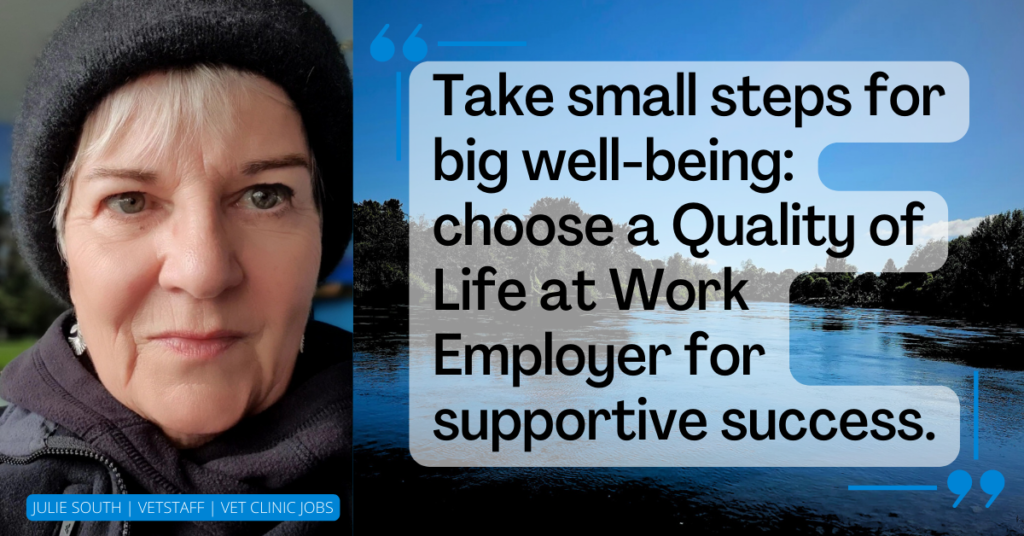
“small steps for big well-being”- quote by Julie South
When it comes to focusing on what you can control, here are some practical ways for veterinary professionals to do just that:
Stay up-to-date on industry trends:
Keeping up-to-date on the latest industry trends, research, and best practices can help you feel more in control and confident in your work.
Build strong relationships with clients:
Focusing on building strong relationships with clients can help you feel more in control of the client experience. Remember: you chose veterinary medicine because animal welfare is important to you.
This can involve taking the time to listen to their concerns, explaining procedures and treatments clearly, and following up to ensure their satisfaction.
Practice good communication skills:
Clear communication is key to feeling in control and avoiding misunderstandings or mistakes. Make sure to communicate clearly and respectfully with clients, colleagues, and staff.
Develop a growth mindset:
Embracing a growth mindset can help you feel more in control of your professional development. This involves being open to learning and growth, taking on new challenges, and seeking out feedback and mentorship.
Take care of your well-being:
Prioritising your physical and mental well-being can help you feel more in control and resilient. This involve engaging in regular exercise.
It could also involve practicing mindfulness or meditation.
It should probably (!) involve seeking support from colleagues or professionals when needed.
Focus on what you can control:
Finally, it’s essential to focus on what you can control, such as providing the best possible care to your patients, being a good team player, and continuing your education and professional development.
Feeling out of control is a common experience for many veterinary professionals.
By recognising the warning signs and symptoms, taking practical steps to regain control and build resilience and grit, and focusing on what you can control, you can feel more confident and fulfilled in your work.
Steps for Quality of Life Employers to Support Employees
Employers have a crucial role to play in supporting their employees’ well-being and helping them feel more in control at work.
6 steps that quality of life employers can take to support their employees:
Offer opportunities for professional development:
Providing opportunities for professional development can help employees feel more in control of their career growth and advancement. This includes training, mentorship, or continuing education (CE) or continued professional development (CPD) programmes.
Provide resources for mental health and well-being:
Good Employers can support employees’ mental health and well-being by offering resources such as an employee assistance programmes (EAP), counselling services, or access to wellness activities.
Encourage work-life balance:
Good Employers help employees feel more in control of their work-life balance by offering flexible schedules, remote work options, or paid time off for personal or family needs.
Foster a positive work culture:
A positive work culture can help employees feel more in control of their work environment and relationships with colleagues.
Good Employers foster positive work cultures by promoting respect, teamwork, and open communication. At the same time they also have a zero tolerance for bullying and toxic behaviour of any kind.
Offer competitive compensation and benefits:
Providing competitive compensation and benefits can help employees feel more in control of their financial well-being and reduce stress related to financial concerns.
Create opportunities for employee feedback:
Good Employers help employees feel more in control of their work experience by creating opportunities for feedback and input. This includes regular performance reviews, employee surveys, or suggestion boxes.
At the same time, Good Employers listen to and act on the feedback received from their surveys and suggestion boxes.
By taking these steps, quality of life at work employers help support their employees’ well-being and help them feel more in control at work.
When employees feel valued, respected, and supported, they are more engaged, productive, and fulfilled in their work.
The Connection Between Feeling Out of Control and Quality of Life in the Workplace
As mentioned above, feeling out of control can be a common experience for many veterinary professionals, leading to symptoms such as burnout, negative stress, and a loss of motivation.
However, good employers play a critical role in supporting their employees’ well-being and helping them regain a sense of control in the workplace.
The Importance of Quality of Life at Work Employers
Quality of life at work employers recognise that employees’ well-being is a critical component of job satisfaction and productivity.
These good employers prioritise providing resources and support for employees’ mental and physical health, promoting a positive work culture, and creating opportunities for growth and advancement.
Practical Ways for Employers to Support Employees’ Quality of Life
Good Employers take practical steps to support their employees’ quality of life, including:
- offering professional (and personal) development opportunities,
- providing resources for mental health and well-being,
- encouraging work-life balance (and work-life blend),
- fostering a positive work culture (and zero tolerance for anything less than positive),
- offering competitive compensation and benefits, and
- creating opportunities for feedback and input.
By taking these steps, good employers help employees feel more in control of their work experience and reduce feelings of negative stress and burnout.
When employees feel valued, respected, and supported, they are more likely to be engaged, productive, and fulfilled in their work.
The connection between feeling out of control and quality of life in the workplace is clear.
Veterinary professionals who feel supported by quality of life employers are more likely to feel in control of their work experience and thrive in their careers.
By recognising the importance of employee well-being and taking practical steps to support it, good employers create a more positive and productive workplace for everyone.
Further Listening / Reading
Positive Approach
Coping in Chaos
Dr Jocelyn Birch-Baker – Smooth Operating Vets – part 1
Dr Jocelyn Birch-Baker – Smooth Operating Vets – part 2
